WonderKids Afterschool: A Spring "Here, There, and Everywhere"
This spring, students across our three afterschool sites wrapped up a school year built around one hopeful idea: that even though we live far apart, people everywhere have a great deal in common. Earlier sessions invited children to notice the differences and similarities between cultures; this eleven-week spring session asked them to practice welcoming another person's customs and perspectives. Storytelling was the common thread throughout, letting children try on other points of view and discover the values — love, kindness, perseverance — that connect communities across the globe.
Inside the Courtyard
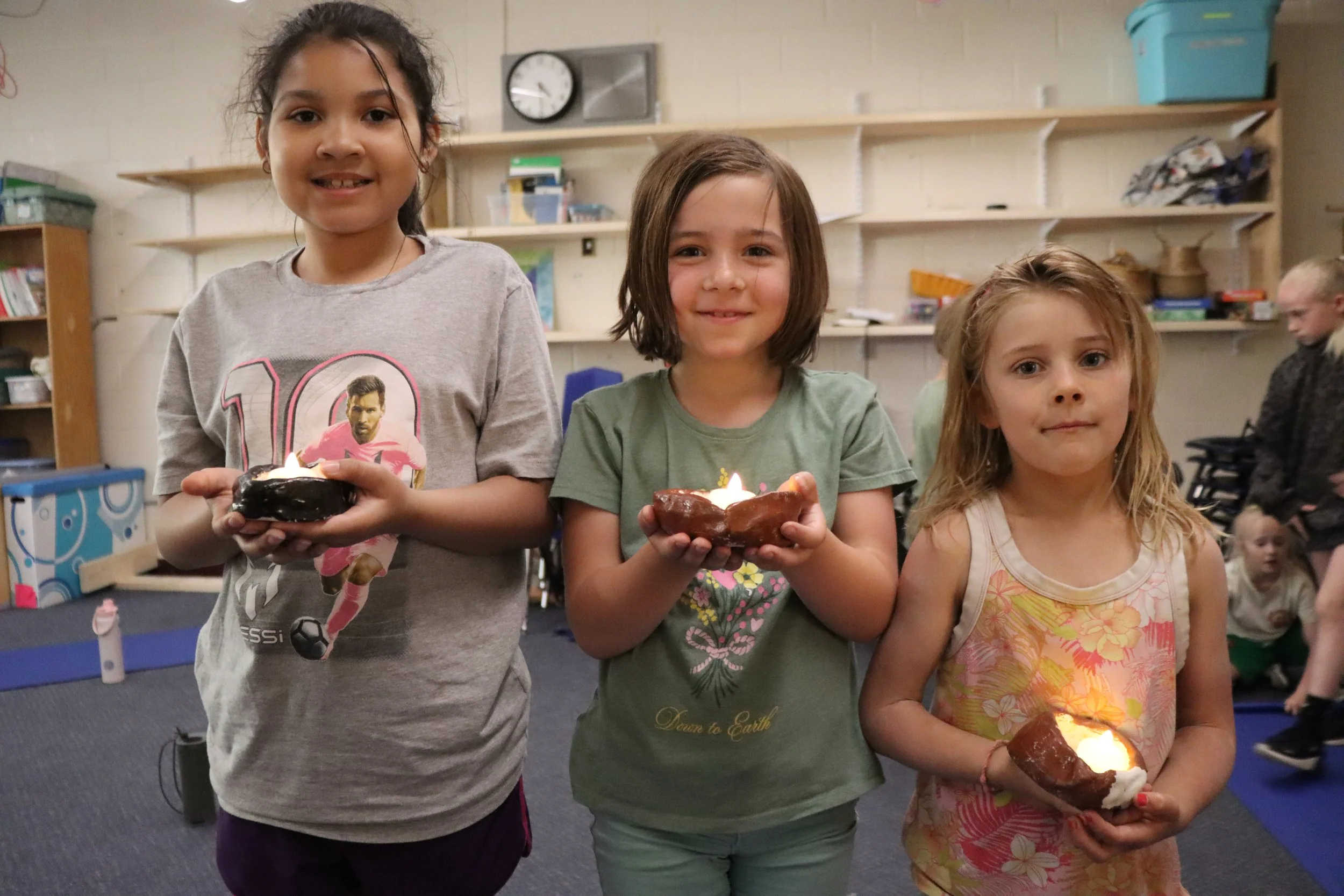
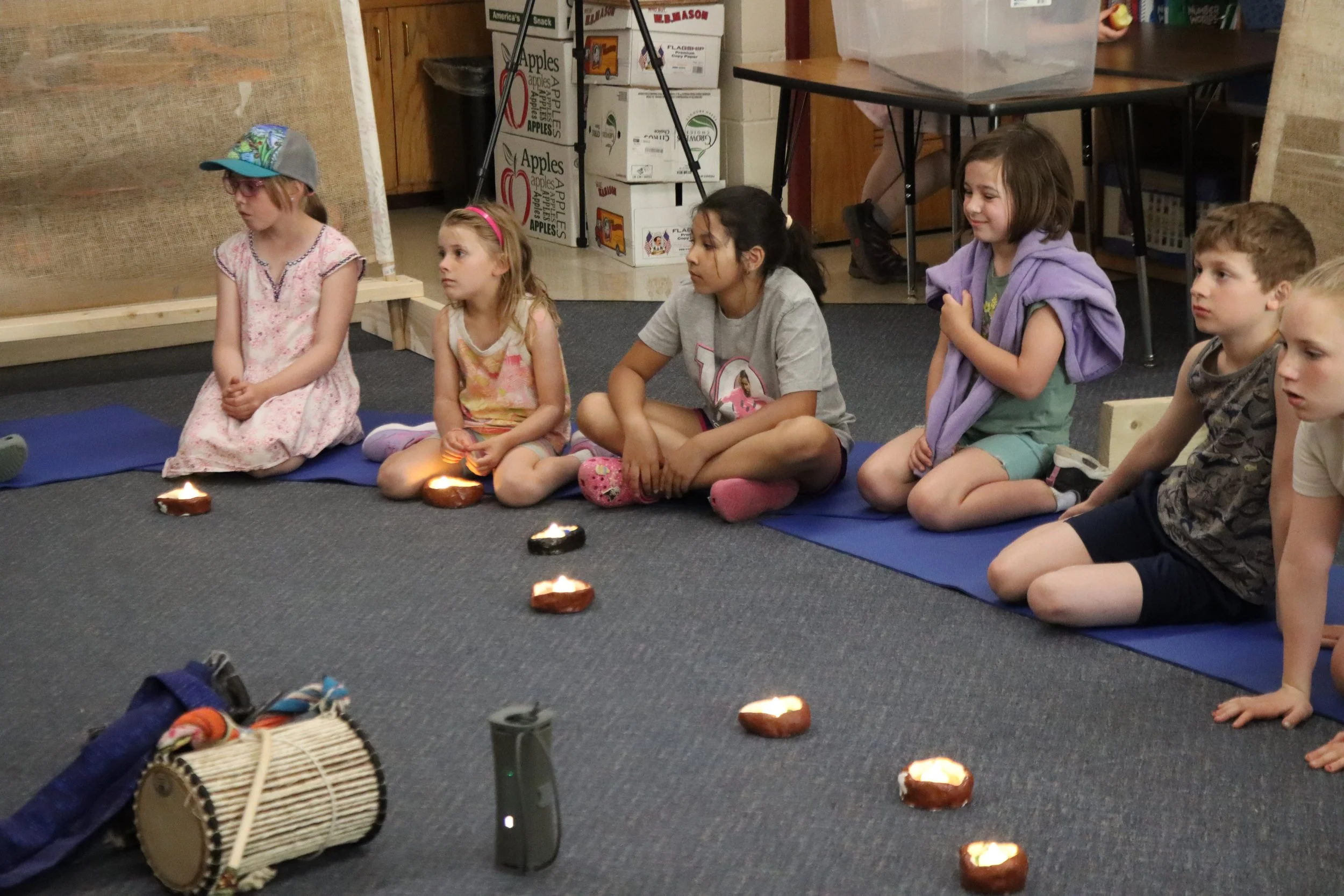
A centerpiece of the spring was the agbala, the Yoruba courtyard built before the session began — where, as in Yorubaland, children gathered week after week to share food, play games, sing, and learn ajose: the relationships between family and friends. Over the weeks they explored Yoruba foods and hospitality, made masks, acted out folktales like the story of Ìjàpá the tortoise, and crafted fitila — small clay oil lamps that became a signature image of the season, glowing in children's hands and in hushed circles on the floor.
Each day offered a different doorway into the same theme. In Inner Pictures, Beth read folktales aloud and children brought the images they imagined to life in art, nurturing deep listening and creative confidence. Inclusive Arts kept the studio open and child-led, with students choosing their own materials and pace. With Reeve Basom, children gathered around food and recipes — a natural fit for a session on hospitality, where sharing food means sharing friendship. And in Theater Games, Taryn's students used improv and movement to build an original Sun and the Moon show, discovering that what seems opposite can belong together.
Songs of Respect and Love
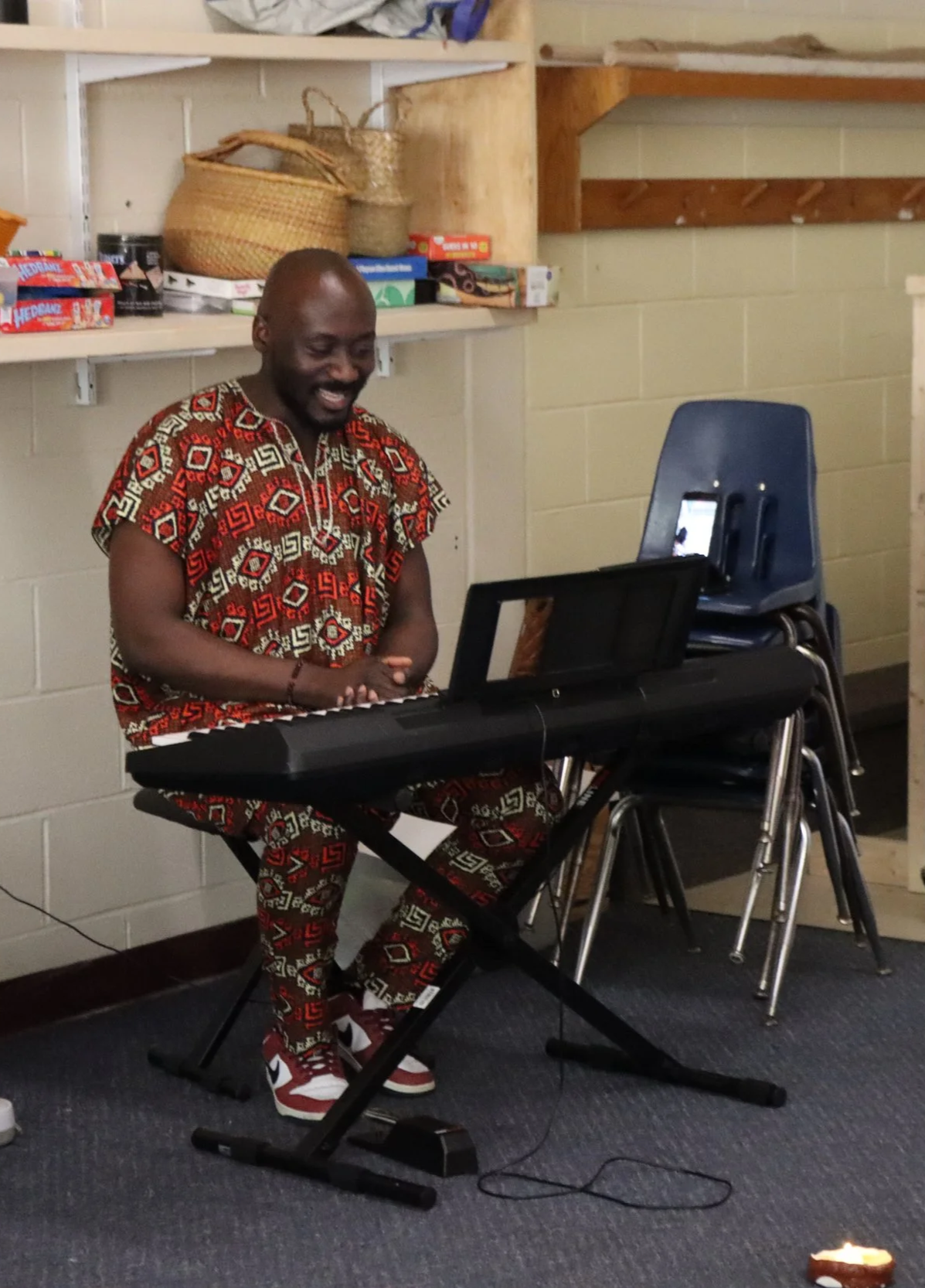
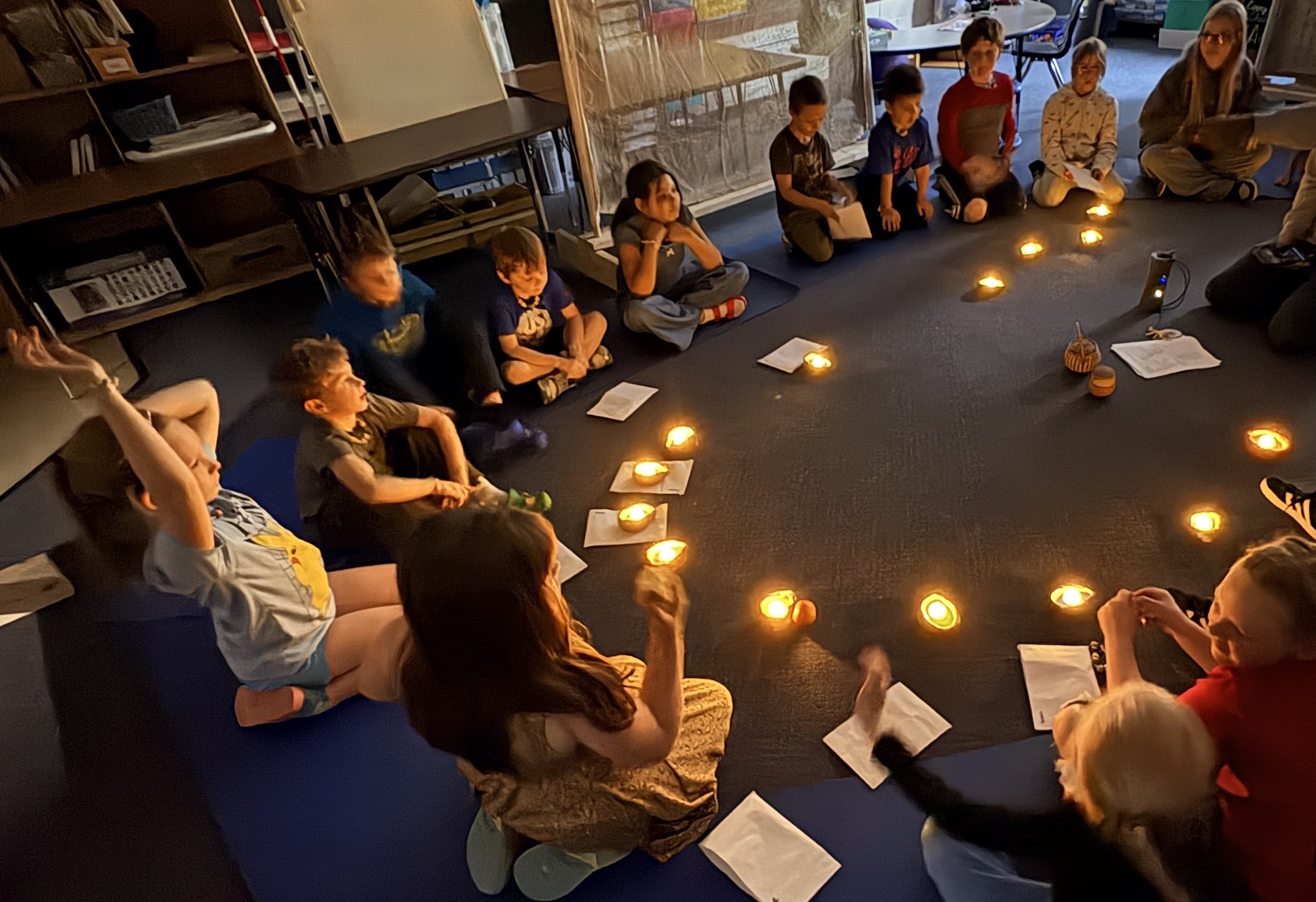
In the final weeks, visiting artist Abel Akinsanya, in traditional Yoruba dress, filled the Hardwick courtyard with live music. The songs carried real meaning: children learned folk songs honoring parents and elders, among them Iya ni wura ("Mother is gold, mother is precious"), paired with a lesson on respecting elders built around a Yoruba proverb about how young and old each have something the other needs.
A Community Festival to Close the Season
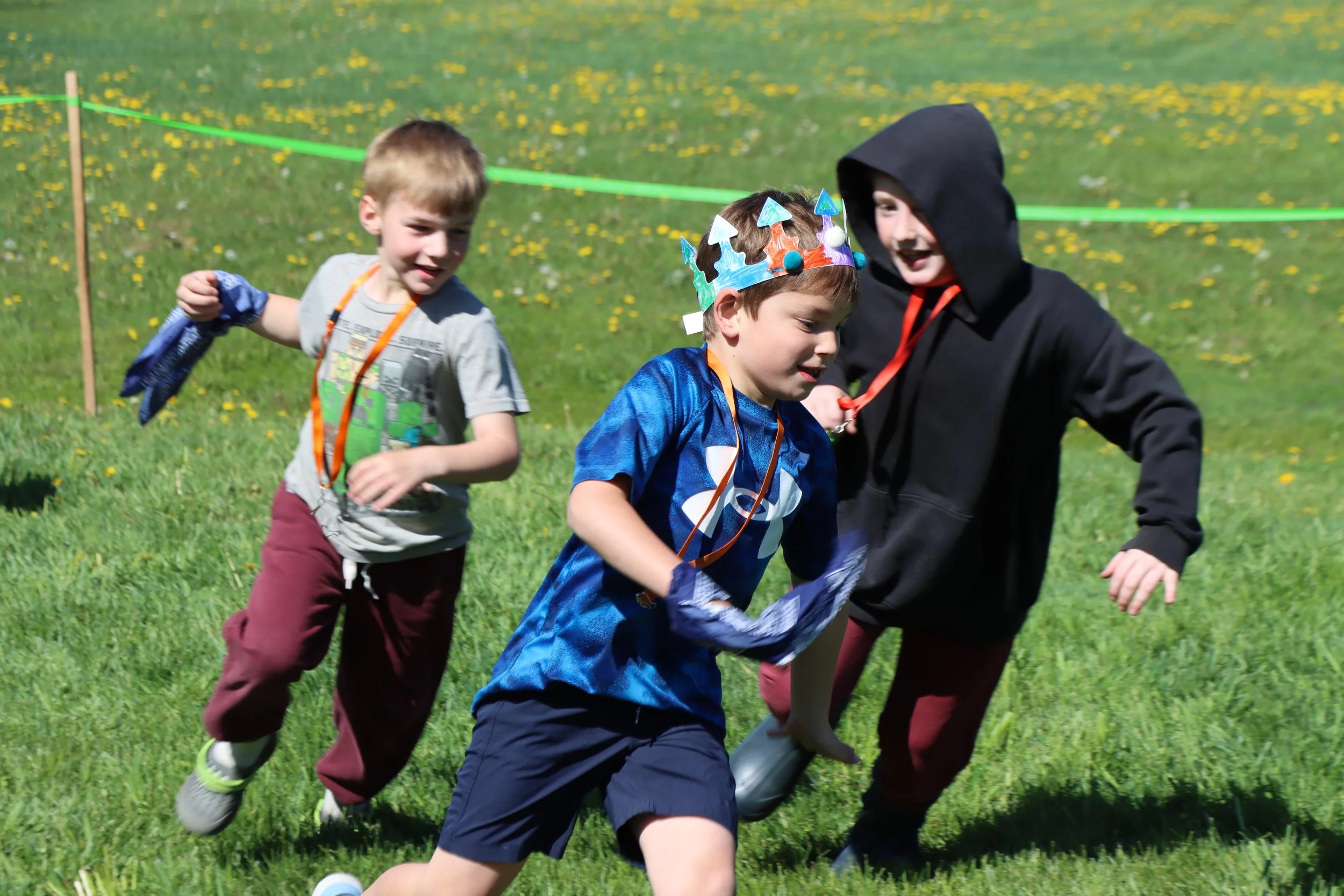
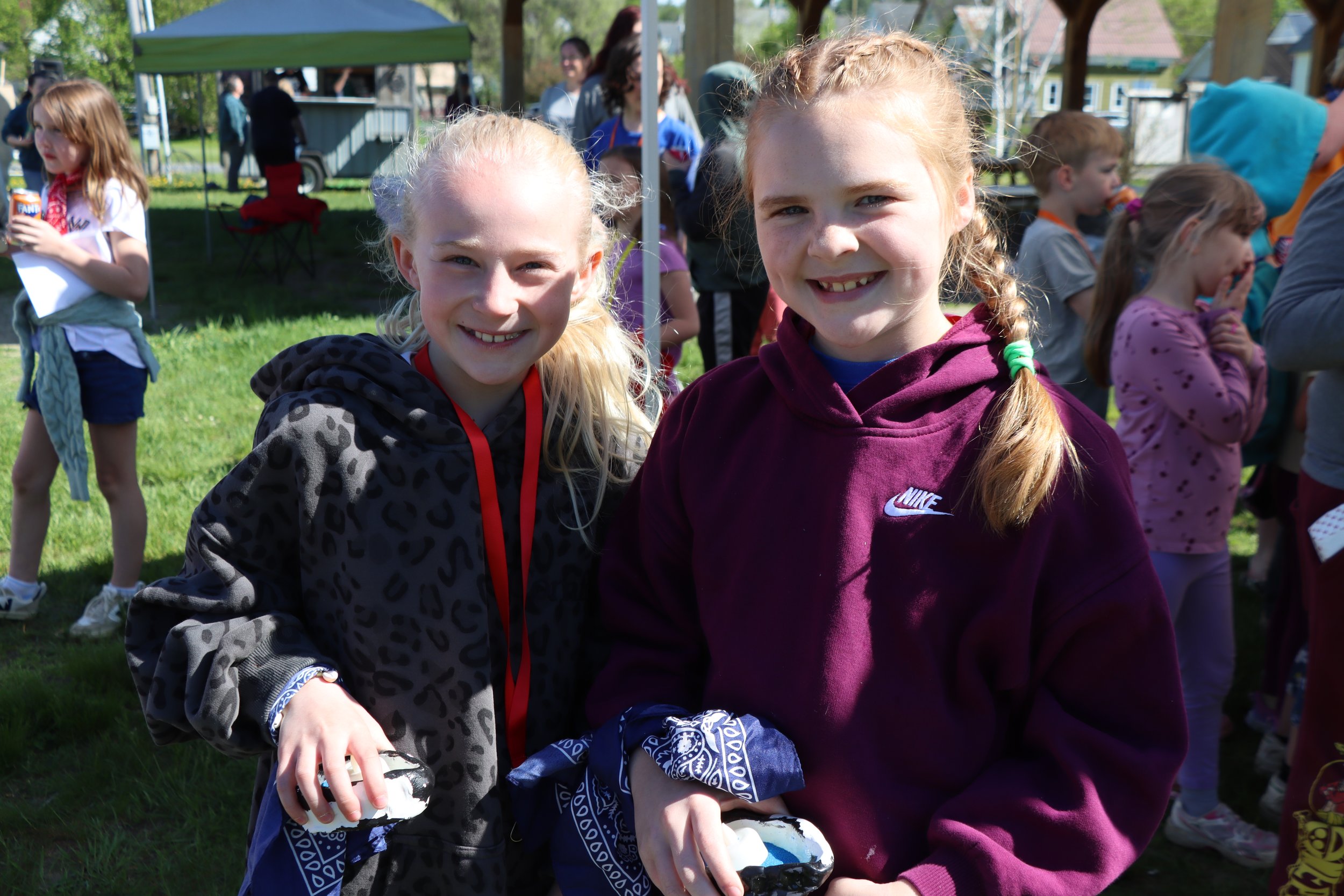
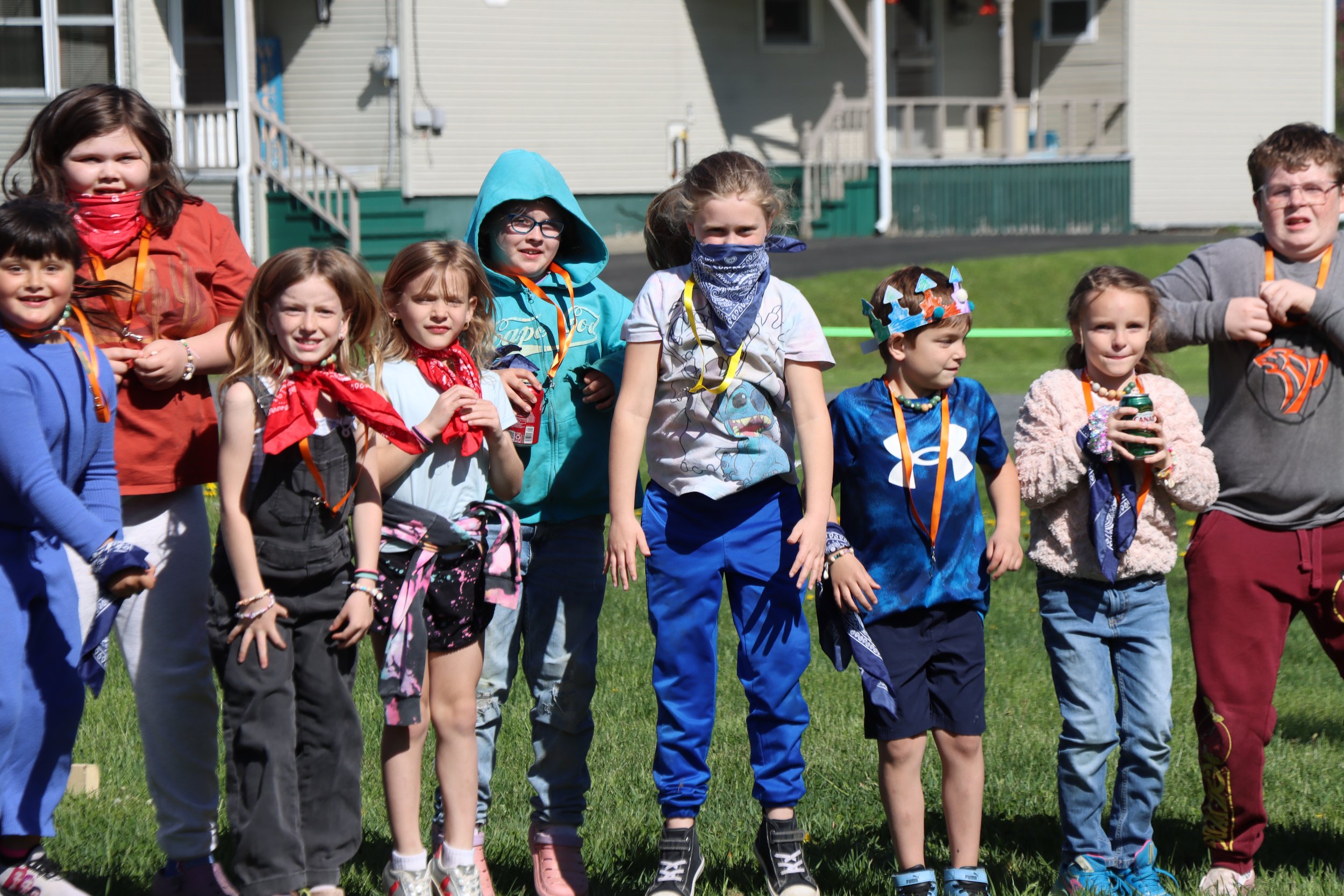
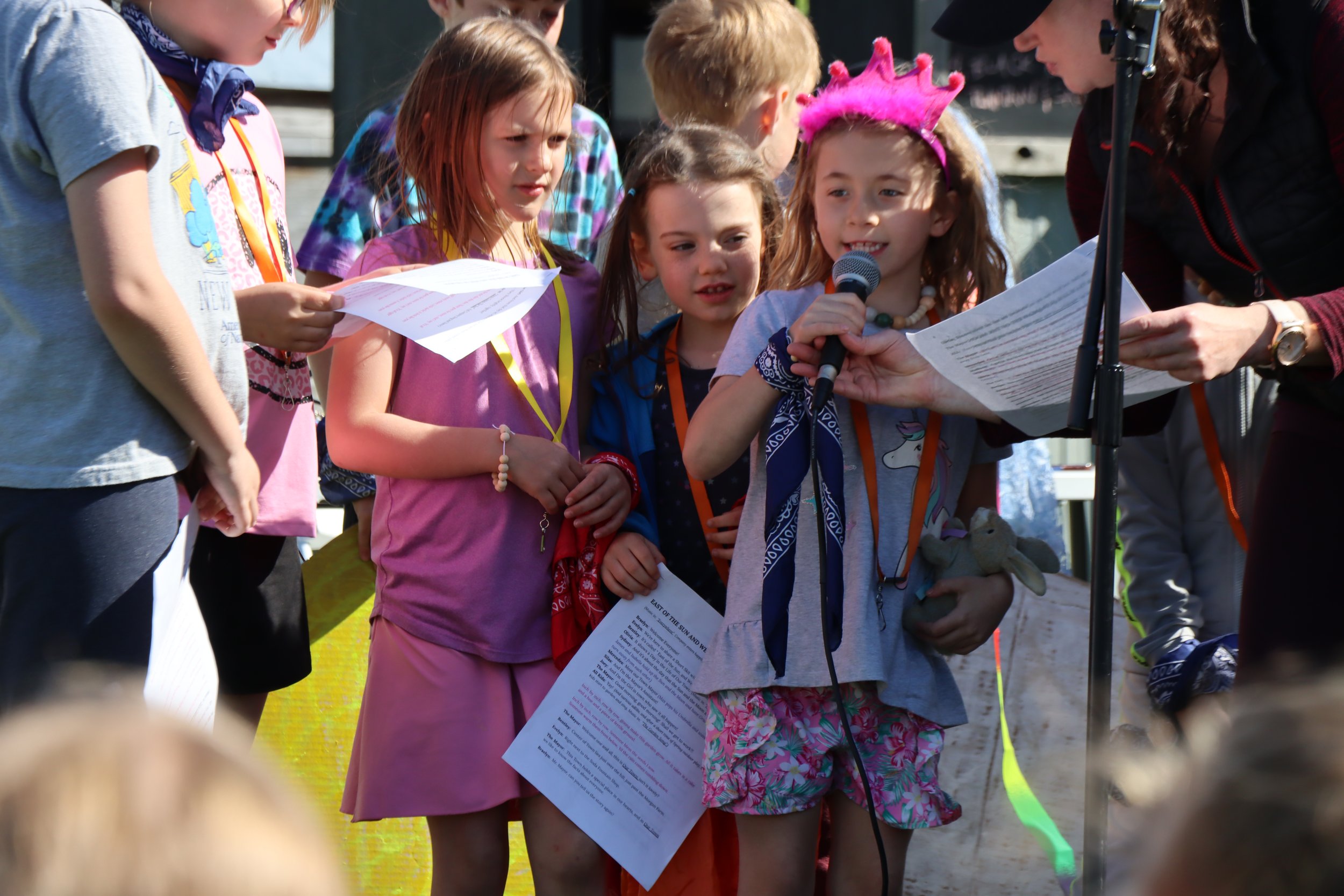
The session culminated on May 21 in an outdoor Spring Festival, where children shared what they had learned with parents, friends, and family. Under a sunny sky, students took the stage with scripts and microphones in hand — performing their Sun and the Moon show, sharing their Yoruba songs, and adding their own voices to a celebration of welcome and belonging. It was a fitting end to a year about connection: a reminder that, here, there, and everywhere, we grow stronger when we make room for one another.